Research Guide · 7 min read · Updated 2026-08-01
BPC-157 Research Guide: Mechanisms, Handling & Laboratory Use
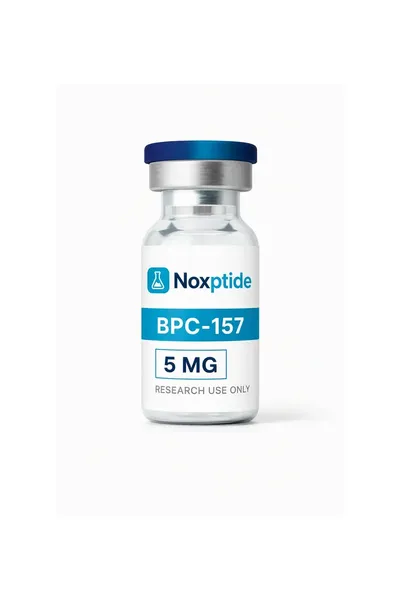
BPC-157 (Body Protection Compound-157) is a synthetic pentadecapeptide derived from a protective protein in human gastric juice. It is one of the most-ordered research peptides in the UK — and one of the most frequently mishandled. This guide covers what the literature examines, how to handle the compound correctly, and how to verify you are working with ≥99% pure material.
What the Research Literature Covers
The preclinical literature on BPC-157 is unusually broad for a single peptide. Published animal and in-vitro studies examine tendon-to-bone healing, muscle and ligament repair, gastrointestinal mucosal protection, and angiogenesis — the formation of new blood vessels, which several research groups have proposed as the mechanism linking these effects.
Researchers frequently highlight its stability: unlike many peptides, BPC-157 remains active in gastric environments in published models, which is one reason gut-integrity research accounts for a large share of the literature. All findings remain preclinical; no human therapeutic use is approved or implied.
Handling, Storage and Reconstitution
Lyophilised BPC-157 should be stored at -20°C, where it remains stable for 24 months or more. Avoid repeated freeze-thaw cycles and keep the vial sealed until use.
For reconstitution, add bacteriostatic water slowly down the inside wall of the vial — never squirt directly onto the powder, and do not shake. Gentle swirling until fully dissolved preserves peptide integrity. Once reconstituted, refrigerate at 2–8°C and use within 28 days.
Verifying Quality Before Your Study
Purity claims mean nothing without documentation. Before including BPC-157 in any protocol, confirm three things: the supplier's batch-specific Certificate of Analysis shows HPLC purity ≥99%; mass spectrometry confirms the molecular weight at 1419.53 g/mol; and the COA batch number matches the vial in your hand.
Noxptide publishes this documentation with every order and will send the current batch COA before purchase on request — the standard every serious laboratory should demand.
Frequently Paired Research Compounds
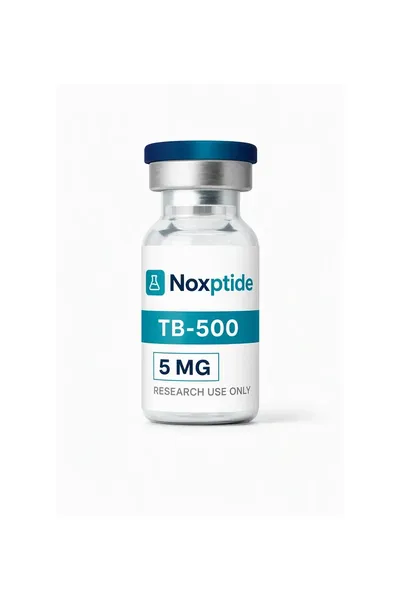
In the research literature, BPC-157 is often examined alongside TB-500-labelled materials in complementary tissue-repair models. Because TB-500 naming is inconsistent across suppliers, confirm the exact TB-500 identity on the current batch COA before comparing mechanisms or analytics.