Research Guide · 8 min read · Updated 2026-08-01
BPC-157 vs TB-500: Which Peptide for Your Research Model?
"BPC-157 vs TB-500" is one of the most-searched comparisons in UK peptide research — and one of the most poorly answered online. The honest answer is that the two compounds are not rivals but mechanistically distinct tools. This comparison gives research teams a clear basis for choosing one, the other, or both.
Mechanism and Origin: The Core Difference
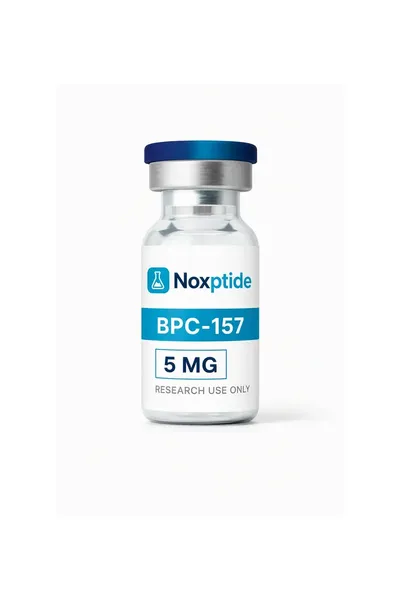
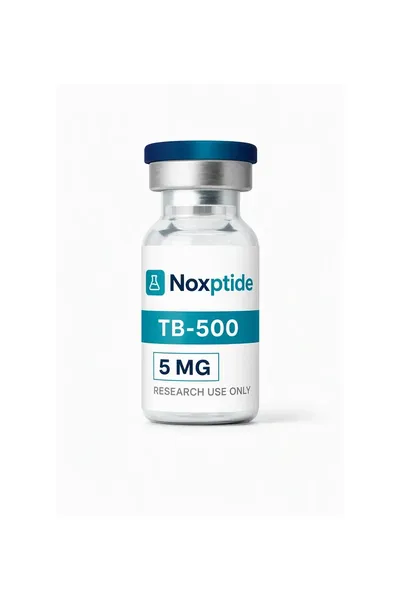
BPC-157 is a 15-amino-acid synthetic peptide derived from a gastric protective protein. TB-500-labelled materials are usually discussed in relation to Thymosin Beta-4 biology and actin-regulation research, but the exact molecular identity must be confirmed from the batch COA before drawing a direct comparison.
Literature Coverage Compared
BPC-157's literature is strongest in gastrointestinal integrity, tendon-to-bone healing and angiogenesis. TB-500's is strongest in cell migration, cardiac and muscle repair models. If your programme focuses on gut models, the BPC-157 literature is deeper; for migration and cytoskeletal studies, TB-500 is the more direct tool.
Handling and Analytics Compared
Both are supplied lyophilised and stored at -20°C. Key analytical difference: BPC-157 has a defined molecular weight of 1419.53 g/mol; TB-500 must be checked against the theoretical molecular weight stated on the current batch Certificate of Analysis. BPC-157 keeps 28 days after reconstitution; TB-500 should be used within 21 days unless the batch documentation states otherwise.
When Laboratories Study Both
Because the mechanisms do not overlap, many repair-focused programmes examine both compounds in parallel. When doing so, source both from the same supplier so analytical standards, documentation format and batch traceability are consistent across the study.