Research Guide · 7 min read · Updated 2026-08-01
Ipamorelin vs CJC-1295: Secretagogue Research Compared
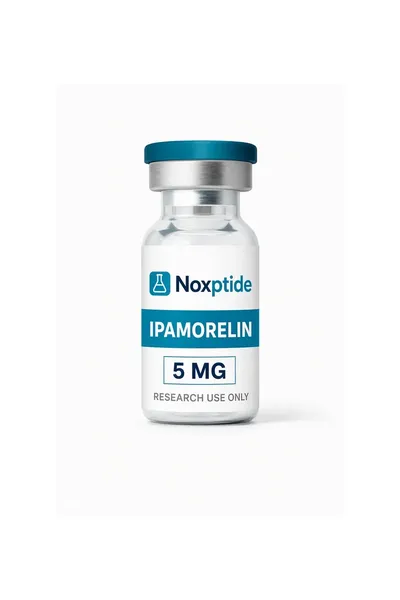
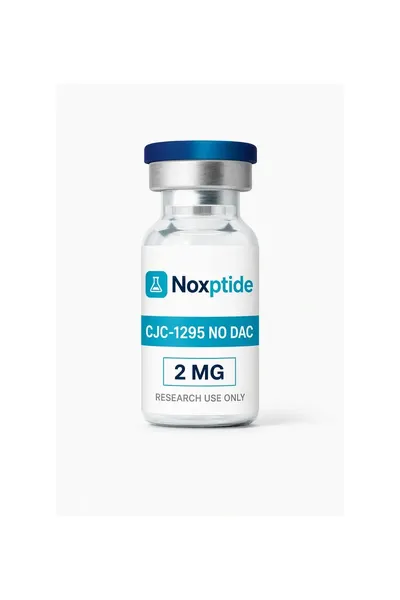
Ipamorelin and CJC-1295 (No DAC) are the two most-ordered secretagogues in UK endocrine research — and the pair most often studied together. This comparison explains the receptor-level difference, the selectivity that makes Ipamorelin unique, and what to verify on your Certificates of Analysis.
Two Receptors, One Axis
CJC-1295 (No DAC), also called Modified GRF 1-29, acts on the GHRH receptor. Ipamorelin acts on the ghrelin receptor (GHS-R1a). Both influence the same endocrine axis through different doors — the mechanistic basis for the combination research common in the literature.
Ipamorelin is notable for selectivity: published research documents growth-hormone-releasing activity without the cortisol and prolactin effects seen with earlier GHRP-class compounds, making it a cleaner experimental tool.
Modified GRF 1-29 vs CJC-1295 with DAC
A common sourcing error: "CJC-1295" without qualification can mean the DAC (Drug Affinity Complex) version, which has a dramatically extended half-life. Most research protocols call for the No-DAC form — Modified GRF 1-29 — which preserves physiological pulsatility. Check your COA and molecular weight (3367.9 g/mol) to confirm you have the correct analogue.
Handling Comparison
Both are lyophilised and stored at -20°C. Reconstituted Ipamorelin keeps 21 days at 2–8°C; reconstituted CJC-1295 (No DAC) should be used within 14 days — the shorter window matters for protocol planning.